Tequila Through a Wine Lover’s Lens: Discovering the Spirit of Blue Agave
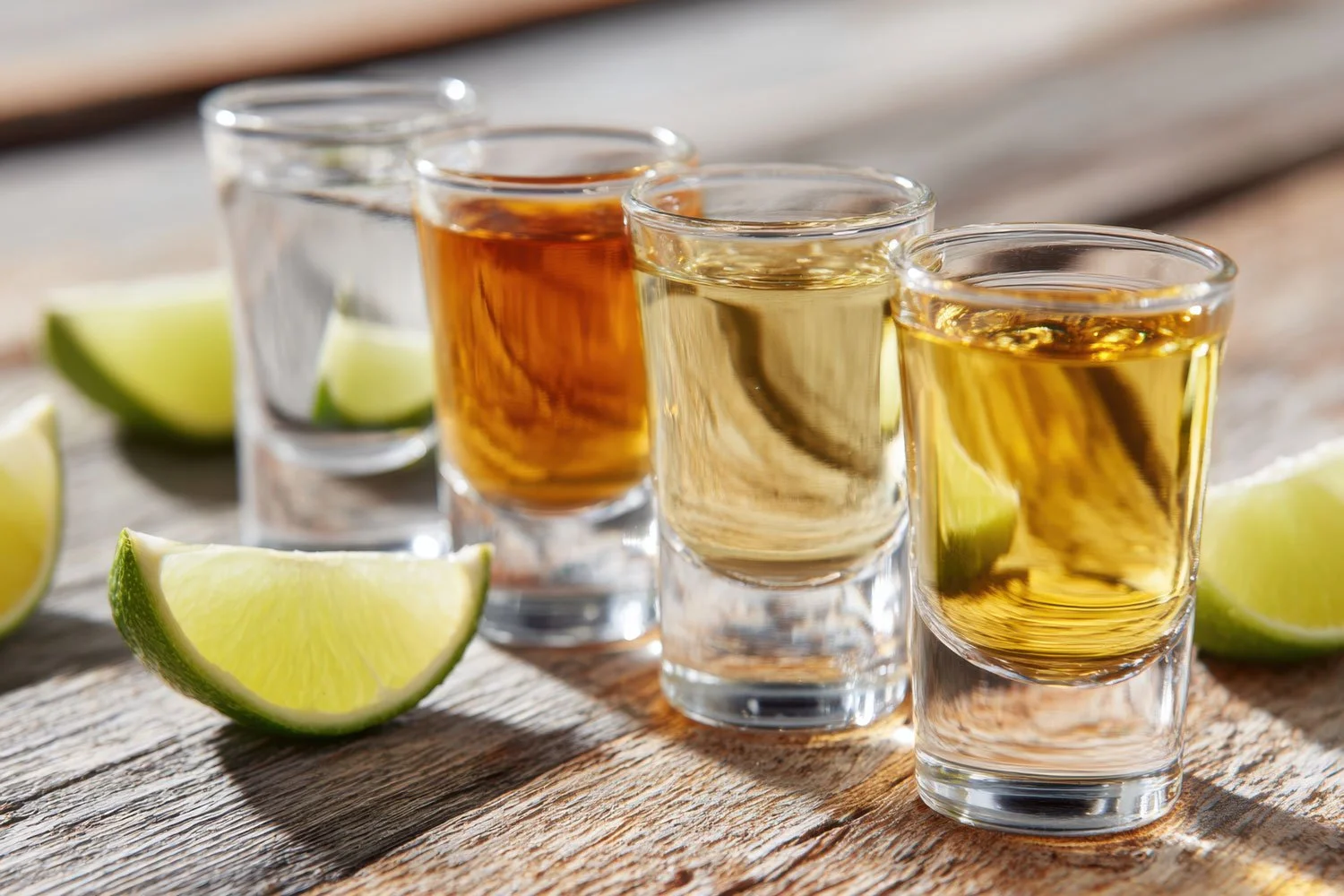
As a wine enthusiast, I’ve spent countless hours exploring the nuances of a great glass of wine. I’ve learned to appreciate the influence of soil, climate, grape variety, fermentation, and aging on what ultimately ends up in the glass. From the minerality of a crisp Sauvignon Blanc to the complex layers of an aged Cabernet Sauvignon, wine has taught me that every bottle tells a story about where it comes from and how it was made.
So, when I began exploring tequila, I discovered something surprisingly familiar.
Beneath its reputation as a party drink or the foundation of a margarita lies a spirit with a rich agricultural heritage, a distinctive sense of place, and an incredible range of aromas and flavors. For wine lovers, tequila offers an entirely new way to explore terroir, craftsmanship, and the art of tasting.
What Exactly Is Tequila?
At its heart, tequila is a distilled spirit made from the blue Weber agave plant, primarily in the Mexican state of Jalisco and certain authorized municipalities in neighboring states.
Unlike wine, which is made by fermenting grapes, tequila begins with agave, a succulent plant that takes years to mature. Its heart, known as the piña, is harvested, cooked to convert its carbohydrates into fermentable sugars, crushed or extracted, fermented, and distilled.
The result is a spirit that can be remarkably expressive, with flavors ranging from fresh citrus and herbs to roasted agave, black pepper, tropical fruit, vanilla, and caramel.
As a wine enthusiast, I find the process fascinating. Just as grapes reflect their growing conditions and the decisions made in the cellar, agave reflects its environment and the choices made by the producer. The raw material is different, but the underlying philosophy is familiar: great drinks begin with great ingredients and thoughtful craftsmanship.
Terroir: From the Vineyard to the Agave Fields
One of the most exciting connections between wine and tequila is terroir—the relationship between a product and the place where its ingredients grow.
In wine, we often talk about the influence of limestone soils, cool climates, sun exposure, and elevation. With tequila, the conversation shifts to agave-growing regions, soil composition, altitude, rainfall, and temperature.
Two important growing areas are the Highlands, or Los Altos, and the Valley region around the town of Tequila.
Highlands tequila is often associated with red, iron-rich soils and higher elevations. Depending on the producer and production method, these tequilas may show expressive fruit, floral aromas, and a softer impression of sweetness.
Valley tequila, grown in the lower areas around Tequila and the surrounding volcanic landscape, is often associated with earthy, herbal, peppery, and mineral-like characteristics.
These are general tendencies, not strict rules. Agave variety is largely fixed because tequila must use blue Weber agave, but growing conditions, maturity, cooking methods, fermentation, and distillation can all shape the final profile.
This is where my wine-loving brain starts making connections. Just as a Pinot Noir from Burgundy can taste different from one grown in Oregon, tequila from different growing regions can offer distinct expressions of the same plant.
And, just as with wine, the producer matters enormously. Geography provides the foundation, but it doesn't tell the whole story.
The Art of Making Tequila: A Different Kind of Winemaking
Wine and tequila share a few important production principles, although distillation makes tequila a fundamentally different beverage.
Here's how the process unfolds.
1. Harvesting the agave
Blue Weber agave generally takes several years to mature, often around five to eight years or longer, depending on growing conditions and the producer's practices. Harvesters, known as jimadores, remove the leaves to reveal the piña.
Unlike grapes, which are harvested seasonally from vines that can produce fruit year after year, agave is harvested once. Each plant represents years of growth and agricultural investment.
2. Cooking the agave
The piñas are cooked to transform complex carbohydrates into sugars that can be fermented. Traditional brick ovens and modern autoclaves are among the methods used.
Cooking can contribute to the flavor profile, from fresh and vegetal notes to cooked agave, caramel, and deeper roasted aromas.
3. Extraction and fermentation
After cooking, the sugars are extracted and fermented with yeast. The yeast converts those sugars into alcohol and other flavor compounds.
This is the stage where wine enthusiasts may feel especially at home. Yeast selection, fermentation temperature, fermentation time, and other production choices can influence the aromas and flavors that develop.
However, tequila fermentation starts with cooked agave sugars rather than grape juice, so the resulting flavor chemistry is different.
4. Distillation
Unlike wine, tequila is distilled, typically twice, to concentrate alcohol and shape the spirit's character.
The distiller makes decisions about how to separate the different fractions of the distillate, influencing the balance of texture, aroma, and flavor. The goal isn't necessarily to eliminate every distinctive characteristic of the agave; it is to create a spirit with the desired profile.
5. Aging, if desired
Some tequilas are bottled shortly after distillation, while others spend time in oak barrels. Barrel aging can add notes of vanilla, baking spices, toasted wood, and caramel, much as oak can influence wine.
But there's an important distinction: tequila is a spirit, not a wine, and barrel aging interacts with a much higher alcohol concentration. The result is a different relationship between oak, texture, and flavor.
Understanding the Five Main Categories of Tequila
For anyone coming from the world of wine, learning the main tequila categories is a useful first step. They provide a framework for understanding how production and aging influence the finished spirit.
Blanco: Fresh, vibrant, and agave-forward, with notes of citrus and pepper.
Reposado: Aged in oak for at least two months but less than a year, often developing hints of vanilla and spice.
Añejo: Aged for at least one year but less than three, offering richer flavors of caramel, oak, and dried fruit.
Extra Añejo: Aged for at least three years, often delivering deeper, more complex oak and spice notes.
Joven or Gold: A versatile category that may blend Blanco with aged tequila or use permitted methods to adjust color and flavor. A gold color alone doesn't mean the tequila has been aged in oak.
One important note: the term 100% blue Weber agave is different from the aging category. Tequila labeled simply as tequila may contain other permitted fermentable sugars, while tequila labeled 100% agave must derive its fermentable sugars entirely from blue Weber agave.
For a wine enthusiast who values transparency and ingredient quality, that distinction is worth paying attention to.
How to Taste Tequila Like a Wine Enthusiast
If you've ever swirled a glass of wine, paused to identify its aromas, and considered how the finish evolves, you already have the beginnings of a tequila-tasting ritual.
The main adjustment is to remember that tequila has a much higher alcohol concentration than wine. A small pour and a gentle approach will reveal more than taking a large sip.
Look. Observe the clarity and color. Blanco is generally clear, while aged tequilas may range from pale straw to deep amber. Color alone, however, doesn't reliably indicate quality or age.
Smell. Bring the glass toward your nose gently rather than inhaling deeply. Look for cooked agave, citrus, herbs, pepper, flowers, fruit, or oak-derived aromas. Give the spirit time to open up.
Taste. Take a small sip and let it coat your palate. Notice the initial sweetness, acidity-like impressions, spice, texture, and the way the flavors develop. Tequila doesn't have wine's acidity profile, but citrus-like aromas and a lively, peppery sensation can create a similar impression of freshness.
Finish. Pay attention to what remains after swallowing or spitting. Is it herbal, fruity, earthy, spicy, oaky, or gently sweet? Does the finish disappear quickly, or does it evolve?
Compare. Taste two or three tequilas side by side, ideally at similar temperatures and in the same type of glass. A Blanco and a Reposado from the same producer can be especially revealing because they show how aging changes the spirit.
My favorite lesson from wine tasting applies here, too: don't rush to identify every aroma. Sometimes the most valuable question is simply, "What do I enjoy about this?"
Tequila and Food: A Pairing Adventure
Wine lovers understand that food can transform a drink, and tequila is no exception.
The key is to consider the spirit's intensity, texture, and flavor rather than treating tequila as something reserved for cocktails or celebratory shots.
Blanco with ceviche: Fresh citrus, herbs, and pepper can complement seafood, lime, and cilantro.
Blanco with grilled shrimp: The spirit's bright, vegetal notes can work beautifully with charred seafood and a squeeze of lime.
Reposado with roasted chicken: Gentle oak, spice, and cooked-agave notes can complement golden, savory flavors.
Añejo with grilled pork or mole: Richer textures and spice can stand up to smoky, savory, and complex sauces.
Extra Añejo with dark chocolate: Notes of toasted wood, vanilla, and dried fruit can complement the bitterness and richness of chocolate.
These are starting points rather than rigid rules. A tequila's actual profile depends on the producer, and the seasoning and preparation of the food matter just as much.
For an especially enjoyable tasting, try a small pour alongside a few carefully chosen bites and notice how each changes the other.
What Makes a Great Tequila?
This is where the wine enthusiast's perspective becomes especially useful.
A beautiful label, a famous name, a high price, or a dark amber color doesn't automatically guarantee quality. Nor does a strong oak influence necessarily mean that a tequila is more sophisticated.
Instead, consider a few questions:
Can I recognize the character of the agave?
Are the aromas and flavors balanced?
Does the spirit feel coherent from the first impression through the finish?
Does the producer share meaningful information about the agave, cooking, fermentation, distillation, and aging?
Do I enjoy the way the tequila expresses its style?
And remember that personal taste is part of the experience. One person may love a crisp, peppery Blanco, while another prefers the warmth of an Añejo. Neither preference is inherently more sophisticated.
Final Thoughts: A New Perspective on the Glass
As a wine enthusiast, I find tequila compelling because it challenges me to apply familiar tasting skills to an entirely different beverage.
It invites me to think about terroir in a new way, pay attention to fermentation and distillation, understand the influence of oak, and appreciate how agricultural choices shape the final experience.
Most importantly, it reminds me that the world of fine drinking is far broader than the categories we already know.
The next time you reach for a bottle of tequila, consider approaching it as you would a wine you've never tasted before. Learn where it comes from, ask how it was made, take your time with the aromas, and notice how the flavors evolve.
You may discover that the spirit of blue agave has just as much to say as the grapes you've spent years learning to appreciate.
And that, to me, is the joy of being a wine enthusiast: there is always another glass, another story, and another world of flavor waiting to be explored.
Curious about expanding your palate into tequila? Schedule a private consultation with Michelle Mehok to explore a curated selection of tequila and food pairing menus.