
Sake Is Not Wine
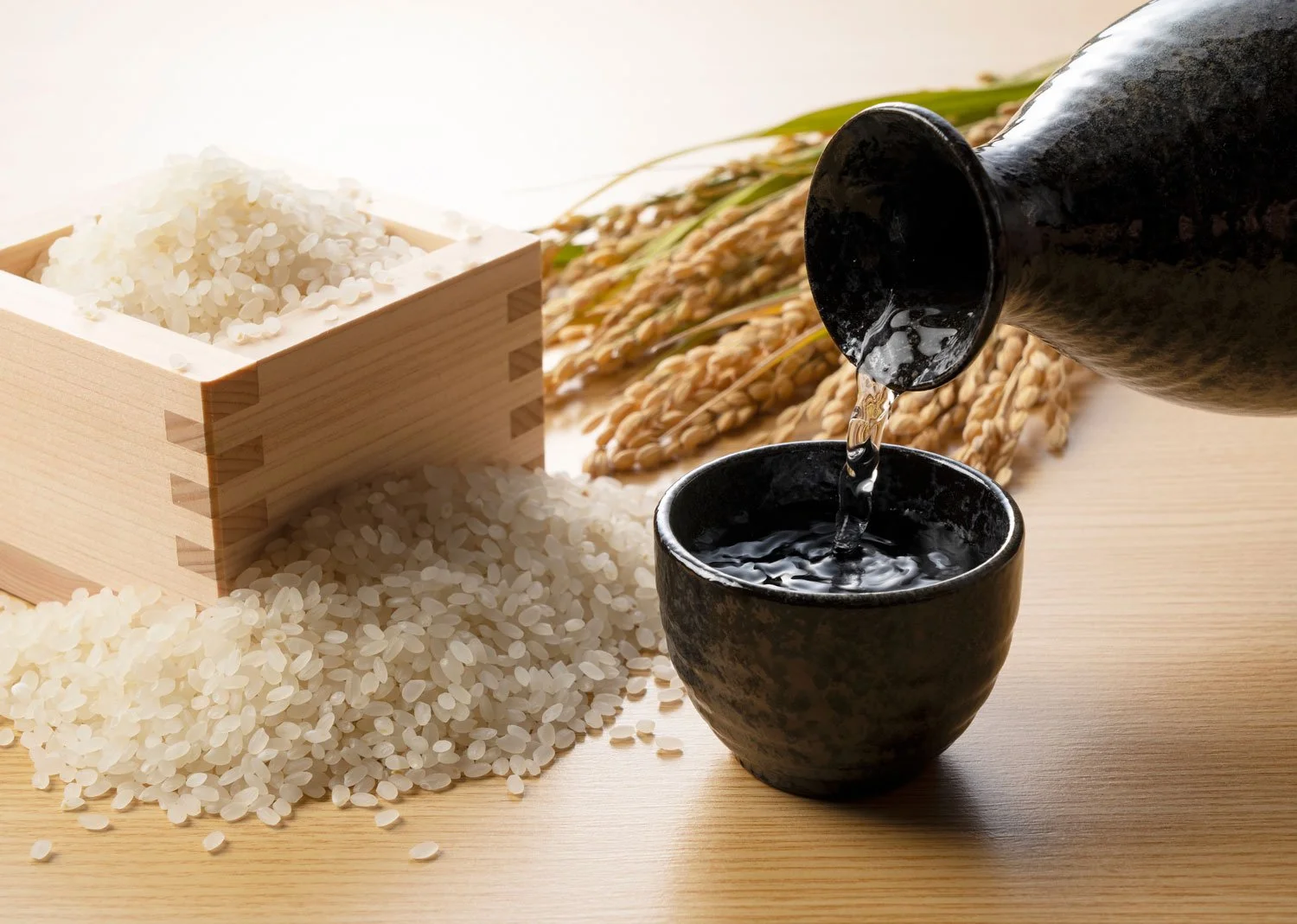
Sake is misleadingly sometimes called “Japanese rice wine.” However, Sake is not wine. It is a unique fermented beverage with its own ingredients, production process, traditions, and flavor profile. Calling it wine is a little like calling beer “barley wine”—there may be a connection in the ingredients or terminology, but the way the beverage is made is fundamentally different.
The Key Difference: What Gets Fermented?
The simplest way to understand the difference between sake and wine is to look at what the yeast actually ferments.
Wine is made from grapes. Grapes naturally contain fermentable sugars. During winemaking, yeast consumes those sugars and converts them into alcohol.
Sake starts with rice, which contains starch rather than readily fermentable sugar.
Yeast cannot simply consume rice starch and turn it into alcohol.
This creates one of the defining features of sake production: the starch in the rice must first be converted into sugar. That job is performed by koji, a mold cultivated on steamed rice.
Sake Uses a Remarkable Two-Step Fermentation
This is where sake becomes particularly fascinating.
Sake isn't wine made from rice. It's a distinctive fermented rice beverage made through a brewing process unlike either traditional winemaking or conventional beer brewing.
In traditional sake brewing, koji produces enzymes that break the starch in rice down into fermentable sugars. At the same time, yeast converts those sugars into alcohol.
These processes happen together in the same fermentation vessel.
This is known as parallel multiple fermentation, and it is one of the characteristics that separates sake production from conventional wine fermentation.
Wine generally starts with grapes that already contains the sugar yeast needs. Sake brewers have to create that fermentable sugar from rice starch as part of the brewing process.
Sake Is Brewed, Not Made Like Wine
The terminology matters, too.
Wine is generally described as fermented: juice from grapes is fermented into wine.
Sake is more accurately described as a brewed beverage because its production involves preparing rice, cultivating koji, converting starch into sugar, and fermenting the resulting mixture.
This puts sake conceptually closer to beer than wine in one important respect: both begin with a starchy grain and require enzymes to make those starches fermentable.
But sake isn't beer, either.
Unlike beer, sake traditionally doesn't involve hops, and the brewing process, ingredients, and resulting flavor profile are distinctly Japanese.
Sake and Wine Taste Different for a Reason
The different production methods create very different flavor possibilities.
Wine can express the characteristics of grape varieties, vineyards, climate, soil, and winemaking techniques. Sake has its own set of variables, including the rice variety, how much the rice is polished, the type of koji and yeast used, fermentation temperature, water, and brewing technique.
Sake can range from delicate and floral to earthy, savory, fruity, creamy, or intensely umami-rich.
And unlike wine, sake is generally very low in tannins. Its structure often comes instead from acidity, alcohol, sweetness, bitterness, and umami.
And that's precisely what makes sake worth exploring.
Curious about expanding your collection beyond traditional vintages? Schedule a private consultation with Michelle Mehok to explore bespoke beverage sourcing and curated pairing menus.