To Decant or Not to Decant? When It Helps—and When It Hurts
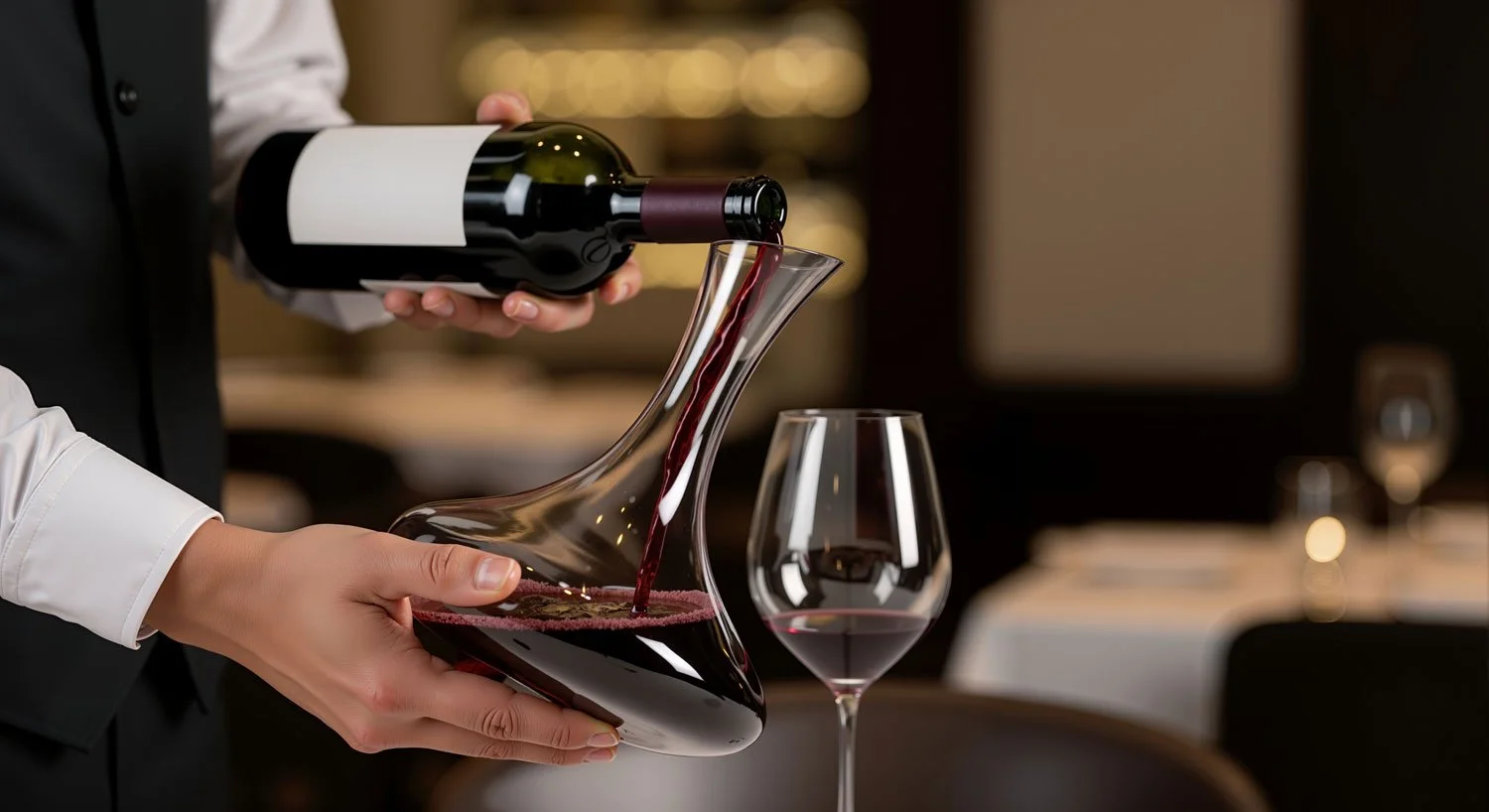
For many wine drinkers, decanting remains one of the most misunderstood rituals in the world of wine. The elegant image of pouring a bottle into a crystal vessel suggests sophistication, but experts say decanting is not always necessary — and in some cases, it can even diminish a wine's character. The decision to decant — and how aggressively to do so—depends on a wine's age, structure, winemaking style, and intended drinking window.
Why Wines Are Decanted
The primary purpose of decanting is twofold: to separate wine from sediment and to expose the wine to oxygen. While sediment removal is particularly important for older red wines, aeration can help younger wines soften and reveal more complex aromas and flavors.
Wines commonly recommended for decanting include young Cabernet Sauvignon, Nebbiolo, structured Bordeaux blends, Barolo, Syrah, Malbec, Tannat and some Aglianico wines. These wines often contain firm tannins and concentrated fruit that can become more approachable with exposure to air. Premium reserve wines released shortly after bottling may also benefit from aeration before service.
The Risk of Over-Decanting
The wine industry's enthusiasm for aeration has also produced a counterargument: not all wines improve with oxygen.
Older wines present a different situation. Mature bottles may be decanted primarily to remove sediment that naturally forms over time. However, prolonged exposure to oxygen can cause delicate aromas to fade rapidly once exposed to air. Sommeliers frequently encounter bottles that peak shortly after opening and then decline during extended decanting. Thus, delicate mature wines can suffer from excessive oxygen exposure, making decanting a nuanced service decision rather than a routine step.
This risk is especially relevant for aged Pinot Noir, mature Burgundy, older Barolo, and fragile collectible wines where aromatic nuance is more important than structural softening. As a result, many fine-dining programs now favor shorter decant times or bottle service with minimal aeration for mature wines.
Understanding Shock Decanting
One increasingly discussed technique is "shock decanting," sometimes referred to as aggressive decanting.
Unlike traditional decanting, which typically involves a slow, careful transfer of wine into a decanter, shock decanting intentionally exposes wine to a large amount of oxygen in a short period. The wine is poured rapidly and forcefully into a broad-bottomed decanter, maximizing surface contact with air.
The technique gained popularity among sommeliers working with highly structured young wines, particularly those from regions such as Napa Valley, Bordeaux, Barolo, and the Northern Rhône.
Proponents argue that shock decanting can quickly open wines that would otherwise require several hours of conventional aeration. The practice may reduce perceived reduction, soften tannins, and accelerate aromatic development during restaurant service.
However, the method remains controversial.
Critics contend that shock decanting can strip away delicate aromatics, flatten complexity, or push a wine through its optimal drinking window too quickly. The risks increase significantly with older wines, where aggressive oxygen exposure can cause rapid deterioration.
Whether using traditional methods or shock decanting, the objective remains the same: to present each wine at its most expressive and balanced stage of development. Most professionals agree that shock decanting is best reserved for youthful, tannic wines showing substantial concentration and structure. It is generally not recommended for mature vintages, delicate Pinot Noir, older collectible wines, or sparkling wines.
White Wines and Alternative Approaches
White wines, rosés, and sparkling wines generally do not require decanting, though there are exceptions. Certain high-end white Burgundies, aged Rieslings, and skin-contact wines may benefit from brief aeration to show their aromatic breadth. Sparkling wines, meanwhile, are rarely decanted because the process can reduce carbonation, one of the wine's defining characteristics.
Many sommeliers are increasingly using alternatives to traditional decanters, including large-bowled stemware, double-decanting techniques, and controlled aeration through repeated pouring. These approaches provide flexibility while minimizing the risk of overexposure.
Wine Service Considerations
Rather than treating decanting as a rule, consider the wine's age, style, and structure. Signs that a wine may benefit from decanting include tight aromas, pronounced tannins, or a sense that the wine feels "closed" immediately after opening. Conversely, wines that are already aromatic, delicate, or mature may be best served directly from the bottle.
For those unsure whether to decant, try this simple test: pour one glass directly from the bottle and allow another portion to sit in a decanter. Comparing the two over time can reveal whether aeration enhances or diminishes the wine's appeal.
As wine culture continues to evolve, one lesson remains clear: decanting is a tool, not a requirement. Understanding when to use it—and when to skip it—can help wine lovers get the most enjoyment from every bottle.
Quick Guide: When to Decant
Decant:
Young Cabernet Sauvignon
Barolo and Nebbiolo-based wines
Syrah/Shiraz
Young Bordeaux blends
Wines with visible sediment
Usually Don't Decant:
Delicate older wines
Most sparkling wines
Light-bodied reds such as Beaujolais
Most rosés
Everyday whites intended for fresh, vibrant drinking
The best approach is simple: let the wine itself determine whether it needs room to breathe.